
Properly preparing materials can transform a small home repair from a stressful task into a smooth process. From gathering the correct tools to understanding the steps ahead, prep work is the invisible backbone of a successful repair. This detailed guide reveals how material prep can ease the journey of minor fixes, embodying the old adage that preparation is half the battle.
Setting the Stage: The Art of Preparation
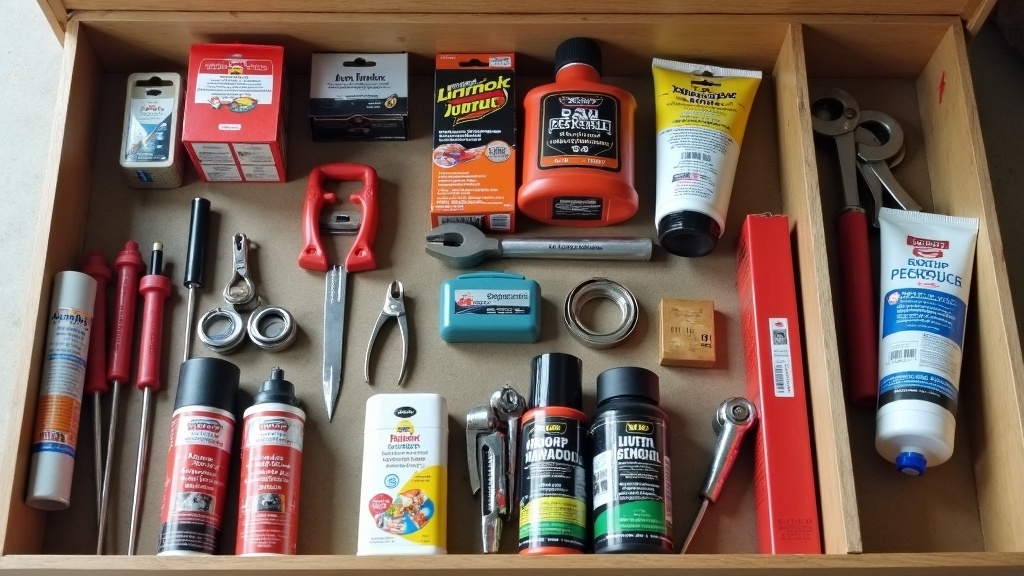
Behind every seamless repair lies meticulous preparation. Emily Bradford, a seasoned DIY enthusiast from Portland, knows this well. 'The moment you realize you're missing something mid-repair, it all goes awry,' she shares. Preparing your materials in advance sets the stage for a stress-free repairing session, ensuring you have everything within reach before you begin.
Tools of the Trade: Ensuring You Have the Right Equipment
A successful repair requires not just any tools, but the right ones. Michael Torres, a home repair aficionado, emphasizes the significance of having a range of tools. 'From basic hammers to more specialized gear like a stud finder or a tension wrench, each tool serves its purpose,' he explains. Make a list of tools ahead of time, and double-check to prevent any last-minute scrambles.
Materials Matter: Selecting Quality Supplies
The choice of materials can make or break a repair. Cheap materials may save money initially but can lead to frequent future repairs. Olivia Chang, a materials expert, recommends investing in quality supplies. 'Quality materials ensure longevity,' she advises. Whether it's paint, wood, or plumbing components, opting for the best can save frustration and avoid premature replacements.
Understanding the Steps: Planning Your Repair Journey
Navigating a repair is like following a well-trodden path. Sandra Mulholland, who writes a blog on home renovations, underscores the importance of a step-by-step plan. 'Knowing what comes next reduces anxiety,' she says. Break down your repair into smaller tasks and anticipate potential hurdles—this foresight can be a lifesaver.
The Role of Safety: Guarding Against Hazards
Safety cannot be overstated in any repair task. John Clifford, a home safety consultant, advises keeping safety gear on hand. Gloves, goggles, and a basic first-aid kit should never be far from reach. 'Being overly cautious can seem tedious, but it's vital,' he remarks. Emphasizing safety throughout the prep phase ensures the protection of all involved.
The Power of Labels: Organizing Your Supplies
Labels might seem trivial, yet they are powerful organizational tools. Vanessa Green, who specializes in optimizing workspaces, insists on labeling everything. 'It cuts down search time significantly,' she asserts. Clear labeling aids in quick identification and accessibility, making the repair process more efficient.
Stay Flexible: Adapting When Things Go Sideways
Despite thorough prep, sometimes things don't go as planned. James Kent, an adaptive strategist, champions the importance of flexibility. 'In the world of repairs, adaptability is key,' he says. Whether encountering an unexpected issue or a shortage of materials, being ready to pivot can keep your repair on track.
Finishing Touches: Bringing Your Repair to Completion
After navigating the repair process, finishing touches bring it all together. Amelia Rogers, an interior design expert, encourages attention to detail in the final stages. 'It's the little things that elevate the finish,' she claims. Whether it's a final polish or ensuring everything aligns perfectly, these details crown your efforts with success.
Reaping the Rewards: The Satisfaction of a Job Well Done
Once complete, step back and admire your handiwork. The pride that comes with a successful repair is unrivaled. 'Seeing the finished product feels empowering,' acknowledges Leo Bennett, a DIY success story. With proper prep behind you, that sense of accomplishment is well-earned and a powerful motivator for future projects.