
Tackling repairs around the house can be daunting. However, with the right know-how and safety measures, you can confidently handle everyday issues yourself. Let's explore essential practices for mastering DIY repairs safely and effectively.
Assess Before You Address
Before diving into any repair task, it's crucial to assess the situation thoroughly. Sally Nguyen, a DIY enthusiast, advises starting with a clear understanding of the problem. This involves not only identifying the root cause but also determining the potential risks and required materials. Proper assessment sets the foundation for effective and safe repairs.
Gathering the Right Tools
The key to a successful DIY project is having the right tools at your disposal. Jack Willis, a professional handyman, emphasizes the importance of investing in quality tools. Whether you're fixing a leaky faucet or patching drywall, using the correct tools enhances efficiency and minimizes the chance of mishaps. Ensure your toolbox is complete with essentials like screwdrivers, pliers, a utility knife, and a safety mask.
Making Safety Your Priority
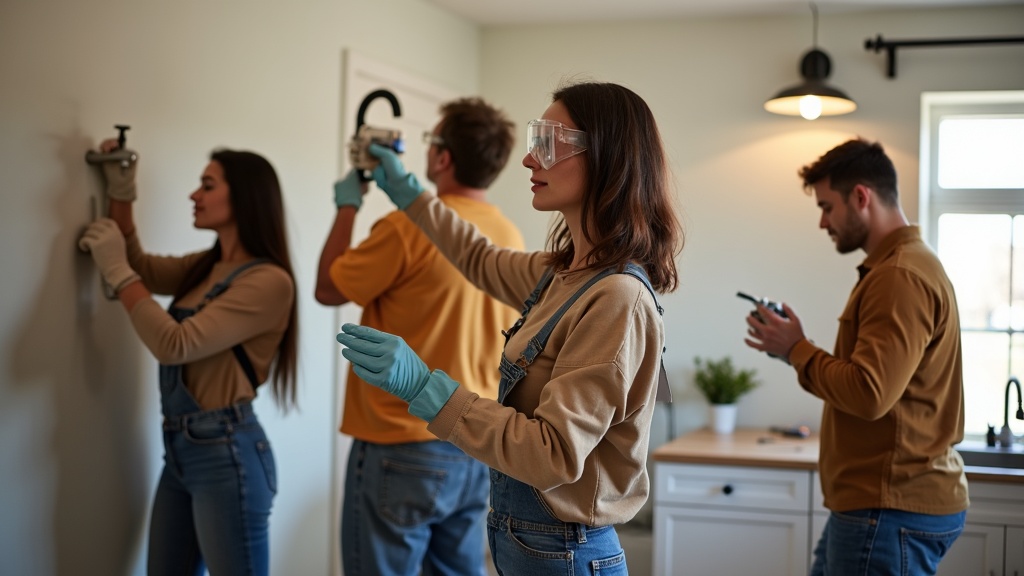
Safety should never be an afterthought in any DIY repair task. Always wear protective gear such as safety goggles and gloves to protect yourself from potential hazards. Rosie Chen, a home maintenance expert, recommends doing a quick safety check before beginning any project. Ensure the work area is well-lit and free of clutter. Moreover, if you're working with electricity or plumbing, make sure to shut off the power or water supply before starting.
Step-by-Step Repairs
Breaking down the repair process into manageable steps can help keep you organized and on track. Marie Thompson, who has completed countless DIY projects, suggests creating a checklist for more complex tasks. This approach not only provides a clear path forward but also helps in tracking progress and identifying any missed steps.
Using Quality Materials
The choice of materials can significantly impact the longevity and success of a repair. Always opt for high-quality materials that are suited for the task at hand. Joseph Park, an interior designer, stresses the importance of carefully selecting materials that align with your home's style and needs. This not only ensures durability but also enhances the home's overall aesthetic.
Brushing Up on Basic Skills
Sharpening your basic repair skills is a continual process. Whether it's learning how to properly paint a wall or understanding the intricacies of plumbing, take advantage of the wealth of resources available online. Lucy Ramirez, a novice turned skilled DIYer, shares that online tutorials and workshops have been pivotal in her journey to becoming more self-sufficient and adept at tackling home repairs.
Handling Unexpected Challenges
Unexpected issues are a common occurrence in DIY repairs. Robert Adams, a seasoned DIYer, recommends staying flexible and composed when faced with unforeseen obstacles. When a project doesn't go as planned, take a step back, reassess, and consider alternative solutions. Sometimes, consulting with online forums or reaching out for expert advice can provide the insight needed to overcome tough challenges.
Review and Reflect for Improvement
After completing a repair, take some time to reflect on the process. Jeanne Taylor, who documents her DIY journey online, suggests evaluating what went well and what could be improved. This reflective practice not only solidifies learning but also prepares you for future projects with increased confidence and skill.
Celebrate Your DIY Successes
Each successfully completed DIY repair is a victory worth celebrating. A sense of achievement accompanies each finished project, motivating you to take on future challenges. Carol Diaz, an avid DIYer, believes in sharing these successes with friends and family, inspiring others to embark on their own DIY journeys.